
Introduction
In 2025, Minnesota homeowners are increasingly prioritizing modern, tech-savvy features that enhance comfort, convenience, and long-term property value. With rising energy costs, heightened security concerns, and evolving buyer expectations, smart home upgrades have moved from optional luxuries to strategic investments in new builds.
For homeowners building a new property, incorporating smart technology from the ground up offers unparalleled efficiency, seamless integration, and a future-ready living environment. These upgrades not only improve daily life but also elevate resale appeal, making them a compelling choice for both owner-occupiers and investors.
In this comprehensive guide, we’ll explore the most impactful smart home upgrades, their value proposition, design considerations for Minnesota homes, and practical advice to ensure these features deliver maximum benefit.
What Are Smart Home Upgrades?
Smart home upgrades refer to technology-driven enhancements that allow homeowners to monitor, control, and automate various systems in their homes. Unlike standalone devices, these upgrades often integrate multiple functions—lighting, climate, security, and appliances—into a cohesive ecosystem accessible via smartphones, tablets, or voice assistants.
Examples include:
- Smart thermostats: Optimize energy use and adjust temperatures remotely.
- Smart lighting and automated shades: Enhance ambiance, energy efficiency, and convenience.
- Security systems: Cameras, alarms, and remote monitoring increase safety and peace of mind.
- Energy management solutions: Track usage, reduce costs, and support sustainability goals.
- Integrated home systems: Centralized platforms that unify climate, lighting, security, and media controls.
As buyer expectations evolve, new builds without integrated smart technology risk appearing outdated compared to homes equipped for modern living.
Why Smart Home Features Are Game Changers for New Builds
Incorporating smart features during construction offers multiple advantages:
- ROI-driven investment: Installing technology during the building phase is more cost-effective than retrofitting later. Wiring, infrastructure, and integration are simpler and less expensive when planned in advance.
- Buyer demand: Homes with smart technology sell faster and often command higher prices. Market data consistently shows that energy-efficient, connected homes appeal to tech-conscious buyers.
- Enhanced functionality: Smart homes offer convenience, safety, and energy efficiency, improving daily living experiences for homeowners.
By embedding smart technology into a new build, homeowners can future-proof their investment and differentiate their property in a competitive market.
5 Smart Home Upgrades That Add the Most Value
Smart Thermostats and HVAC Integration
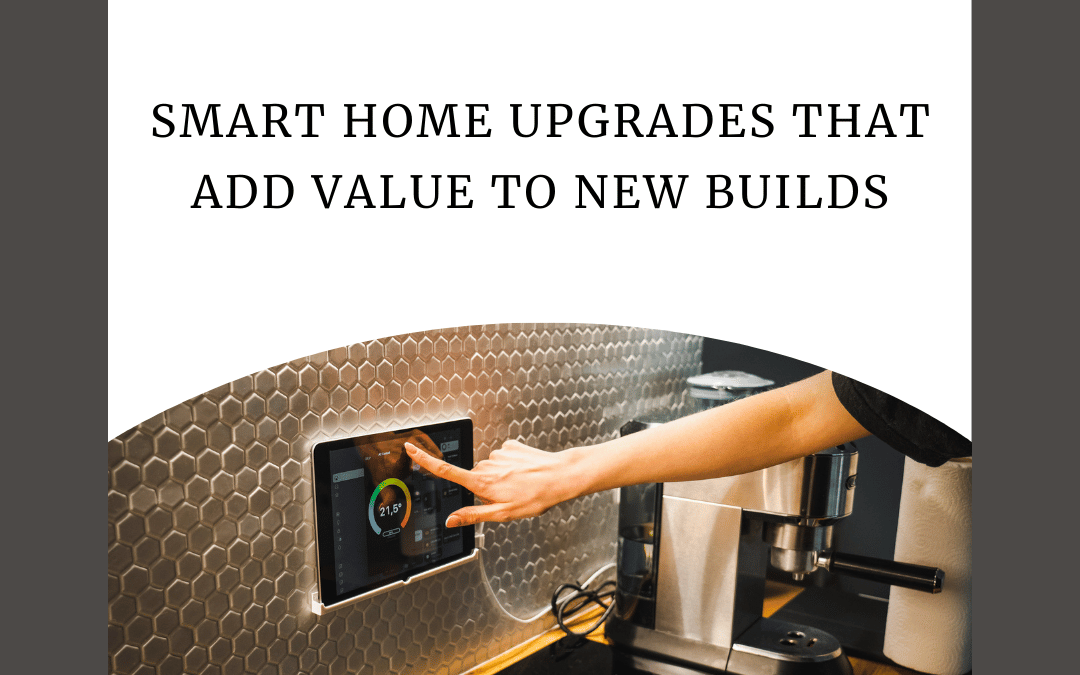
Smart thermostats optimize temperature control for comfort and efficiency. Features like learning schedules, remote access, and energy reports help homeowners reduce utility bills while maintaining ideal indoor conditions—even in Minnesota’s cold winters.
Smart Security Systems
Modern security systems include cameras, motion sensors, alarms, and smartphone alerts. Remote monitoring and automated features increase peace of mind and add tangible resale value by demonstrating safety-conscious design.
Smart Lighting and Automated Shades
Smart lighting systems offer customizable scenes, energy-efficient scheduling, and integration with other devices. Automated shades enhance natural light management, privacy, and climate control, while also contributing to aesthetics.
Integrated Smart Appliances and Kitchens
Connected appliances—from ovens to refrigerators—allow for remote control, energy monitoring, and streamlined daily routines. These upgrades appeal to modern buyers and enhance convenience in busy households.
Whole-Home Automation Systems
Centralized platforms unify smart devices, allowing voice commands or app control for lighting, climate, security, and media. Whole-home automation maximizes usability, simplifies operations, and positions a home as truly future-ready.
Design Considerations for Smart Homes in Minnesota
When planning smart upgrades for new builds, homeowners should consider:
- Wiring and infrastructure: Plan for high-speed internet, hubs, and networked devices during construction to avoid later complications.
- Energy-efficient systems: Cold-climate-ready thermostats, insulated smart windows, and climate control integration are essential in Minnesota.
- Aesthetics: Conceal wiring and devices where possible to maintain a clean, minimalist look without sacrificing functionality.
- Budget prioritization: Focus on value-adding essentials first—thermostats, security, lighting—before adding non-essential gadgets.
Thoughtful planning ensures upgrades are functional, stylish, and resilient to Minnesota’s unique climate conditions.
Common Mistakes Homeowners Make With Smart Home Upgrades
- Overloading with gadgets: Adding too many devices without integration leads to inefficiency and user frustration.
- Choosing non-compatible systems: Devices that cannot communicate with each other reduce convenience and potential ROI.
- Focusing on flashy tech: Prioritizing novelty over essential upgrades can detract from long-term value.
- Ignoring future-proofing: Technology evolves quickly; selecting scalable, updateable systems ensures relevance for years to come.
Avoiding these mistakes maximizes both functionality and resale appeal.
FAQs About Smart Home Upgrades in New Builds
How much do smart home upgrades typically cost?
Costs vary by system complexity, device quality, and integration, but planning during construction reduces expenses compared with retrofits.
Do they really increase resale value in Minnesota?
Yes. Homes with energy-efficient, connected systems attract more buyers and can sell at a premium compared with standard builds.
Which upgrades are “must-have” vs. “nice-to-have”?
Smart thermostats, security systems, and lighting control are often considered essential, while voice assistants, automated appliances, or decorative tech are optional.
Can older homeowners benefit from smart homes?
Absolutely. Smart technology improves convenience, safety, and accessibility for residents of all ages.
Final Thoughts
Smart home upgrades are more than luxury—they are strategic investments that enhance comfort, efficiency, and property value. For homeowners building in Minnesota, planning smart systems during construction ensures seamless integration, future-proofing, and maximum ROI.
Homeowners can contact Kane Builders MN for expert guidance on smart home planning, design consultations, and new build packages that incorporate integrated technology.
Recent Comments